NCERT Class 1 Hindi Textbook
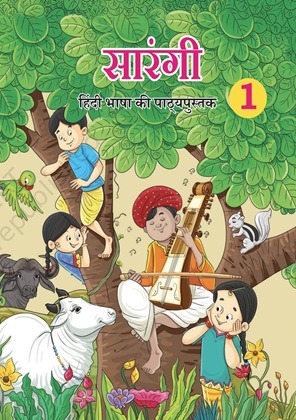
NCERT Class 1 Hindi Textbook PDF Download
English, Hindi
By NCERT
The NCERT Class 1 Hindi Textbook plays a vital role in the early education of children in India. It is designed to introduce young learners to the Hindi language in a natural, joyful, and meaningful manner. At the primary level, especially in Class 1, children are at a formative stage of learning where curiosity, imagination, and emotional development are very strong. Keeping this in mind, the NCERT textbook focuses not only on language skills but also on the overall development of the child.
FREE PDF Download

The NCERT Class 1 Hindi Textbook plays a vital role in the early education of children in India. It is designed to introduce young learners to the Hindi language in a natural, joyful, and meaningful manner. At the primary level, especially in Class 1, children are at a formative stage of learning where curiosity, imagination, and emotional development are very strong. Keeping this in mind, the NCERT textbook focuses not only on language skills but also on the overall development of the child.
Purpose of the Textbook
The primary aim of the NCERT Class 1 Hindi textbook is to develop basic language skills such as listening, speaking, reading, and writing. At this stage, the emphasis is more on listening and speaking rather than writing. The textbook encourages children to communicate in Hindi confidently and comfortably. It helps learners become familiar with commonly used words and expressions from their daily lives.
The textbook also aims to create interest and enjoyment in learning Hindi. Instead of burdening children with complex grammar rules or lengthy lessons, it uses poems, stories, and pictures to make learning fun and engaging.
Child-Centered Approach
One of the most important features of the NCERT Class 1 Hindi textbook is its child-centered approach. The content is designed according to the learning abilities and psychological needs of young children. Lessons are short, simple, and activity-based, allowing children to learn at their own pace.
The textbook respects the natural way children learn languages—by listening, observing, repeating, and interacting. It encourages children to express their thoughts freely without fear of making mistakes. This approach helps build confidence and develops a positive attitude towards language learning.
Structure and Organization
The textbook is well-structured and thoughtfully organized. It includes a mix of poems, short stories, and picture-based lessons. The progression of lessons is from simple to slightly complex, ensuring gradual learning.
Each lesson is supported by:
Simple and meaningful text
Attractive and colorful illustrations
Familiar themes from everyday life
Interactive activities
This structure ensures that learning remains interesting and stress-free for young learners.
Language and Vocabulary
The language used in the Class 1 Hindi textbook is simple, clear, and child-friendly. Vocabulary is drawn from the child’s immediate environment, such as family members, animals, birds, fruits, vegetables, school activities, and festivals. This familiarity helps children easily connect with the text.
Repetition of words and sounds is a key teaching strategy used in the textbook. Repetition helps children remember new words, improves pronunciation, and strengthens their language foundation. The use of short sentences and commonly used words makes reading easier and more enjoyable.
Role of Poems and Rhymes
Poems and rhymes form an important part of the NCERT Class 1 Hindi textbook. These poems are rhythmic, musical, and easy to memorize. They help children develop listening skills and correct pronunciation.
Through poems, children learn:
New words and expressions
Rhythm and tone of the language
Confidence in speaking and recitation
Poems also stimulate imagination and emotional expression. Themes such as nature, animals, family, and daily routines help children relate personally to the content.
Stories and Moral Learning
The stories included in the textbook are short, simple, and meaningful. Most stories are based on everyday situations or animal characters that children find interesting. These stories often convey moral values such as honesty, kindness, sharing, cooperation, and respect for others.
The use of moral-based stories helps in character building at an early age. Children not only learn the language but also understand the importance of good behavior and social values.
Importance of Illustrations
Illustrations play a very important role in the NCERT Class 1 Hindi textbook. Since children at this age learn better through visuals, colorful pictures are used extensively. These pictures support the text and help children understand the meaning of words and sentences.
Illustrations encourage children to:
Observe carefully
Describe what they see
Connect words with images
Improve imagination and creativity
Picture-based learning also supports children who are still developing reading skills.
Activities and Interactive Learning
The textbook includes various activities that promote active participation. These activities are designed to make learning enjoyable rather than mechanical. Most activities focus on oral work, as children in Class 1 are still developing writing skills.
Common activities include:
Speaking and listening exercises
Picture identification
Matching words with pictures
Drawing and coloring
Group discussions
These activities help reinforce learning and encourage social interaction among children.
Cultural Awareness
The NCERT Class 1 Hindi textbook introduces children to Indian culture and traditions in a simple and natural way. Festivals, family relationships, respect for elders, and love for nature are common themes in the lessons. This helps children develop a sense of cultural identity and social belonging.
At the same time, the textbook promotes values such as cleanliness, cooperation, and empathy, which are essential for responsible citizenship.
Role of Teachers and Parents
The textbook encourages an interactive role for teachers and parents. Teachers are expected to read aloud, explain lessons using actions and expressions, and involve children in discussions. Parents can support learning at home by reading stories, reciting poems, and encouraging children to talk about what they learn.
The flexibility of the textbook allows teachers to adapt lessons according to the needs and learning levels of children.
Learning Outcomes
By the end of Class 1, students are expected to:
Listen and understand simple Hindi words and sentences
Speak confidently in familiar situations
Recognize basic words and sounds
Enjoy poems and stories in Hindi
Express thoughts through speech and simple drawings
The focus is on enjoyment, understanding, and participation rather than accuracy or memorization.
Conclusion
The NCERT Class 1 Hindi textbook is a well-designed and thoughtfully developed learning resource. It successfully introduces young learners to the Hindi language in a joyful, engaging, and meaningful way. With its simple language, colorful illustrations, interactive activities, and value-based content, the textbook supports the holistic development of children.