NCERT Class 3 Our Wondrous World Textbook
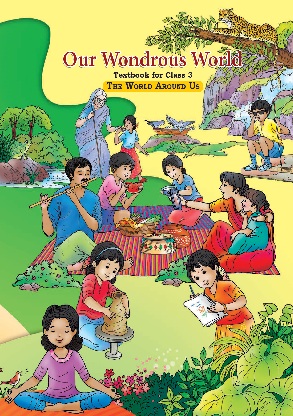
NCERT Class 3 Our Wondrous World Textbook PDF Downloadn
English, Hindi
By NCERT
NCERT Class 3 – The World Around Us: Exploring Our Wondrous World Introduction The world around us is full of wonders waiting to be explored. From the trees that provide us shade and oxygen to the animals that share our planet, every element of nature has something valuable to teach us. The NCERT Class 3 Environmental Studies (EVS) textbook “Our Wondrous World” helps young learners understand and appreciate their surroundings. It introduces children to their family, community, environment, plants, animals, and the importance of caring for nature. At the primary level, education is not only about learning facts but also about observing, questioning, and discovering. Children are naturally curious. They ask questions about everything they see—why birds fly, how plants grow, why seasons change, and how people live in different places. The Class 3 EVS curriculum nurtures this curiosity and encourages students to explore the world through observation and experience.
FREE PDF Download

NCERT Class 3 – The World Around Us: Exploring Our Wondrous World
Introduction
The world around us is full of wonders waiting to be explored. From the trees that provide us shade and oxygen to the animals that share our planet, every element of nature has something valuable to teach us. The NCERT Class 3 Environmental Studies (EVS) textbook “Our Wondrous World” helps young learners understand and appreciate their surroundings. It introduces children to their family, community, environment, plants, animals, and the importance of caring for nature.
At the primary level, education is not only about learning facts but also about observing, questioning, and discovering. Children are naturally curious. They ask questions about everything they see—why birds fly, how plants grow, why seasons change, and how people live in different places. The Class 3 EVS curriculum nurtures this curiosity and encourages students to explore the world through observation and experience.
“Our Wondrous World” teaches students that the environment is interconnected. Human beings, plants, animals, water, air, and land are all parts of a larger system. When one part is affected, the others are also influenced. Therefore, understanding the world around us helps children develop respect for nature and learn how to live responsibly.
This article explores the major themes of the NCERT Class 3 EVS book and explains how it helps children understand their environment in a meaningful way.
Benefits, Advantages, and Positive Behaviors Developed Through Learning About the World Around Us
Learning about the world around us provides many benefits for young students. The NCERT Class 3 EVS curriculum not only gives knowledge about nature, society, and environment but also helps in shaping the attitudes and behaviors of children. Through stories, activities, observations, and discussions, students learn how to become responsible individuals who care for their surroundings and respect others.
1. Development of Curiosity and Observation Skills
One of the greatest benefits of learning about the environment is the development of curiosity. Children naturally want to explore their surroundings. When they learn about plants, animals, water, and weather, they begin to observe the world more carefully.
For example, a child who studies plants may start noticing how leaves differ in shape and color. A lesson about birds may encourage children to watch how birds build nests or search for food. These observations improve a child's ability to think critically and ask meaningful questions.
This curiosity forms the foundation of scientific thinking. Children learn not only to see things but also to understand why things happen in a particular way.
2. Environmental Awareness
Another important advantage of environmental studies is that it helps children develop environmental awareness. They begin to understand that natural resources such as air, water, forests, and animals are valuable and must be protected.
When children learn about pollution, deforestation, and water scarcity, they realize that human actions affect the environment. As a result, they begin to adopt responsible habits such as:
Saving water
Avoiding littering
Planting trees
Reducing the use of plastic
These small actions can make a big difference in protecting the environment.
3. Respect for Nature and Living Beings
Learning about animals, plants, and ecosystems helps children develop respect and empathy for living beings. They understand that animals also need food, water, and shelter to survive.
When children recognize that animals feel pain and depend on their environment, they become more compassionate. They learn not to harm animals and instead treat them with kindness.
Similarly, children begin to value plants and trees because they understand their importance in providing oxygen, food, and shelter.
4. Social Awareness and Cooperation
Environmental studies also teach children about society and community life. Students learn how different people in society work together to meet everyday needs.
For example, farmers grow food, teachers educate students, doctors care for patients, and shopkeepers provide goods. Understanding these roles helps children appreciate the contributions of others.
This awareness encourages children to practice cooperation, respect, and gratitude toward people around them. It also helps them develop social skills that are essential for living harmoniously in society.
5. Development of Healthy Habits
The EVS curriculum also promotes healthy habits and personal hygiene. Children learn the importance of eating nutritious food, drinking clean water, maintaining cleanliness, and exercising regularly.
Healthy habits taught at a young age often continue throughout life. When children understand the importance of hygiene and nutrition, they are more likely to stay healthy and avoid illnesses.
Some positive habits students develop include:
Washing hands before eating
Eating balanced meals
Keeping surroundings clean
Drinking safe water
These habits contribute to both personal health and public hygiene.
6. Appreciation of Diversity
Another advantage of learning about the world around us is that children learn to appreciate diversity. They discover that people live in different types of homes, eat different foods, wear different clothes, and celebrate different festivals.
Understanding diversity helps children respect different cultures and traditions. It teaches them that differences are natural and should be valued rather than criticized.
This knowledge encourages tolerance and helps children develop an open-minded attitude toward others.
7. Problem-Solving Skills
When students explore real-life situations, they learn how to think about solutions to problems. For example, they may discuss ways to reduce pollution, conserve water, or protect wildlife.
Such discussions improve problem-solving and decision-making skills. Children learn to analyze situations and think about practical ways to improve their environment.
These skills are valuable not only in school but also in everyday life.
8. Development of Responsible Behavior
One of the most important outcomes of environmental education is the development of responsible behavior. Children learn that their actions affect the environment and society.
Responsible behaviors encouraged in the EVS curriculum include:
Taking care of plants and animals
Keeping public places clean
Using resources wisely
Helping others in the community
Respecting elders and teachers
When children practice these behaviors, they grow into responsible citizens who contribute positively to society.
Understanding Family and Relationships
One of the first concepts children learn about is family. A family is the group of people with whom we live and share our lives. Families provide love, care, and support. The textbook helps students understand different types of families such as nuclear families, joint families, and extended families.
In a nuclear family, children live with their parents and sometimes siblings. In a joint family, grandparents, uncles, aunts, and cousins may live together. Both types of families have their own advantages. Joint families often provide a larger support system, while nuclear families may offer more independence.
Children also learn about the roles and responsibilities of family members. Parents work to support the family, grandparents share wisdom and stories, and children contribute by helping with small tasks. These activities help children understand the importance of cooperation and respect within the family.
The EVS book also encourages students to appreciate diversity in families. Some children may live with guardians, single parents, or relatives. Every family is unique, and the most important aspect is the love and care shared among its members.
Friends and Community
Beyond the family, children interact with people in their community. Friends, neighbors, teachers, and shopkeepers are all part of the community. Learning about community life helps children understand how people depend on each other.
Schools play an important role in a child’s social life. At school, children learn teamwork, sharing, and communication. They participate in activities such as games, group projects, and celebrations. These experiences teach them how to cooperate with others and develop friendships.
Communities also include people who provide essential services. For example:
Doctors help us stay healthy.
Teachers educate us.
Farmers grow food.
Police officers maintain law and order.
Shopkeepers provide goods we need.
By learning about these roles, children understand how different professions contribute to society. This knowledge encourages respect for all types of work.
The EVS curriculum also introduces children to local traditions, festivals, and cultural practices. Celebrating festivals together strengthens community bonds and teaches children about cultural diversity.
Plants: The Green World Around Us
Plants are an essential part of our environment. They provide food, oxygen, shelter, and medicine. The Class 3 EVS textbook introduces students to the importance of plants and the role they play in sustaining life.
Children learn about different types of plants such as trees, shrubs, herbs, climbers, and creepers. Each type has unique characteristics. Trees are tall and strong, shrubs are smaller with multiple branches, herbs have soft stems, climbers grow with support, and creepers spread along the ground.
Plants grow from seeds. With sunlight, water, soil, and air, seeds germinate and develop into plants. Through simple observations and activities, students learn how plants grow and what they need to survive.
Another important concept taught is photosynthesis, the process through which plants make their own food using sunlight, carbon dioxide, and water. Although explained in simple terms for young learners, this concept helps children understand why plants are vital for maintaining life on Earth.
The textbook also highlights the importance of protecting plants and forests. Trees help control pollution, prevent soil erosion, and provide habitats for animals. Children are encouraged to plant trees and care for plants around them.
Animals and Their Habitats
Animals are another fascinating part of the world around us. From tiny insects to large mammals, animals live in different environments and have unique ways of surviving.
The EVS textbook introduces students to domestic animals and wild animals. Domestic animals such as cows, dogs, goats, and cats live with humans and help us in various ways. For example, cows provide milk, and dogs guard homes.
Wild animals, on the other hand, live in forests, jungles, deserts, oceans, and other natural habitats. Lions, elephants, tigers, and deer are examples of wild animals. Each animal has special adaptations that help it survive in its environment.
Students also learn about animal habitats, such as forests, deserts, mountains, oceans, and polar regions. These habitats provide food, shelter, and protection for animals.
The book emphasizes the importance of protecting animals and their habitats. Deforestation, pollution, and hunting threaten many species. Teaching children about conservation helps them develop empathy toward animals and understand the need to protect wildlife.
Water: The Source of Life
Water is essential for all living beings. Humans, animals, and plants cannot survive without water. The EVS curriculum teaches children about the importance of water and how it is used in daily life.
We use water for drinking, cooking, bathing, cleaning, and farming. Rivers, lakes, ponds, and wells are important sources of water. Rain is another major source of freshwater.
The textbook introduces the water cycle, explaining how water moves between the earth and the atmosphere through processes such as evaporation, condensation, and rainfall. This helps children understand how nature maintains the balance of water on Earth.
Water conservation is an important lesson for students. Many parts of the world face water shortages. Therefore, children are encouraged to avoid wasting water and practice habits such as turning off taps when not in use.
Air and Weather
Air is another vital component of our environment. It is invisible but essential for life. Humans and animals breathe oxygen from the air, while plants use carbon dioxide for photosynthesis.
The EVS textbook explains that clean air is necessary for good health. Pollution from vehicles, factories, and burning waste can make the air harmful. Children learn that planting trees and reducing pollution helps keep the air clean.
Weather is also discussed in the curriculum. Weather refers to daily changes in temperature, wind, and rainfall. Different seasons—summer, winter, rainy season, and spring—affect our daily activities, clothing, and food.
For example:
In summer, we wear light clothes and drink more water.
In winter, we wear warm clothes.
During the rainy season, we use umbrellas and raincoats.
Learning about weather helps children understand how nature influences our lives.
Food and Nutrition
Food is necessary for growth and energy. The EVS textbook introduces children to different types of food and their sources.
Food comes mainly from plants and animals. Plants provide fruits, vegetables, grains, and pulses. Animals provide milk, eggs, meat, and honey.
Students also learn about balanced diets, which include different types of nutrients such as carbohydrates, proteins, vitamins, and minerals. Eating a variety of foods helps keep the body healthy and strong.
The textbook encourages healthy eating habits, such as eating fresh fruits and vegetables, avoiding junk food, and drinking clean water.
Children also learn about the importance of farmers who grow crops and provide food for society. Understanding the effort involved in food production helps children respect farmers and avoid wasting food.
Shelter and Homes
Every living being needs shelter for protection. Humans build houses to protect themselves from weather, animals, and other dangers.
The EVS textbook introduces different types of houses found in various regions. Houses may be made of mud, wood, bricks, or concrete depending on the climate and available materials.
For example:
In cold regions, houses may be built with thick walls to keep warmth inside.
In flood-prone areas, houses may be built on stilts.
In cities, people often live in apartments.
Animals also build homes such as nests, burrows, and hives. Birds build nests in trees, rabbits dig burrows in the ground, and bees build hives.
Learning about shelters helps children understand how living beings adapt to their environment.
Transport and Communication
Transport and communication connect people and places. Transport helps us travel from one place to another, while communication allows us to share information.
Common means of transport include buses, trains, cars, bicycles, boats, and airplanes. Each type of transport is suitable for different distances and terrains.
Communication methods include letters, telephones, mobile phones, television, radio, and the internet. These technologies help people stay connected across long distances.
The EVS curriculum encourages students to understand how transport and communication have improved people’s lives by making travel and information sharing easier.
Caring for the Environment
One of the most important lessons of the EVS curriculum is environmental responsibility. Children learn that humans must protect the environment for future generations.
Simple actions such as planting trees, saving water, reducing waste, and recycling can help protect nature. Students are encouraged to participate in activities like cleaning their surroundings and avoiding plastic waste.
Environmental education at an early age helps develop responsible citizens who understand the importance of sustainable living.
Learning Through Observation and Activities
The NCERT EVS curriculum emphasizes experiential learning. Instead of only reading from books, students learn through observation, experiments, and activities.
For example, children may grow plants in small pots, observe insects in the garden, or collect leaves of different shapes. These activities make learning more engaging and help students understand concepts better.
Group discussions, storytelling, drawing, and field visits also play an important role in EVS learning. These methods encourage creativity and critical thinking.
Conclusion
“Our Wondrous World” is more than just a textbook. It is a guide that helps children explore and understand the environment around them. By learning about families, communities, plants, animals, water, air, food, shelter, and transportation, students gain a comprehensive understanding of the world they live in.
The EVS curriculum also teaches important values such as respect for nature, empathy toward animals, appreciation of diversity, and responsibility toward the environment. These lessons help children grow into thoughtful and responsible individuals.
At the Class 3 level, the goal is not merely to memorize facts but to develop curiosity and awareness. When children observe nature, ask questions, and explore their surroundings, learning becomes meaningful and enjoyable.
Ultimately, understanding the world around us helps us appreciate its beauty and complexity. By caring for our environment and respecting all living beings, we can ensure that our wondrous world remains healthy and vibrant for generations to come.